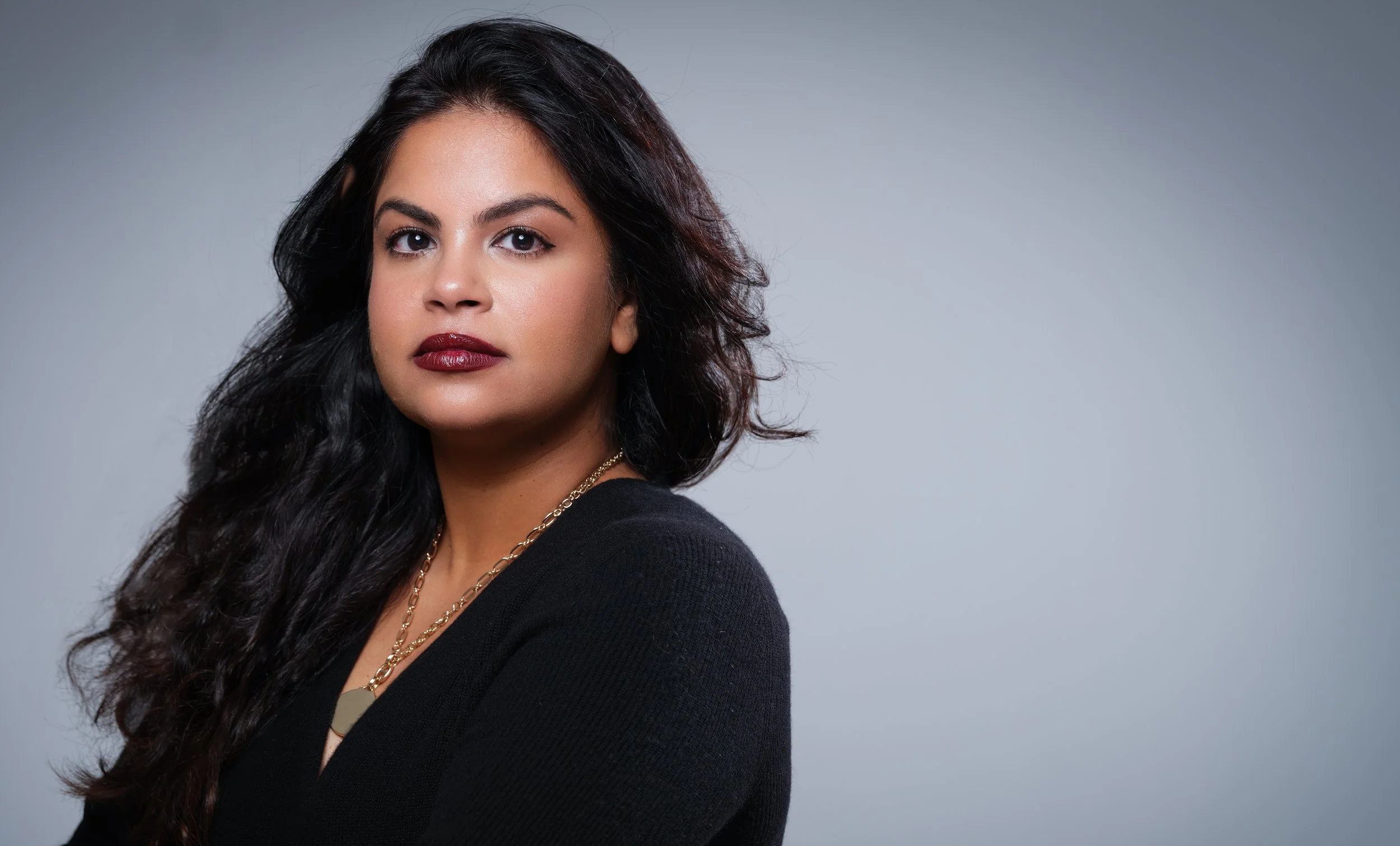
Lakshmi Krishnan
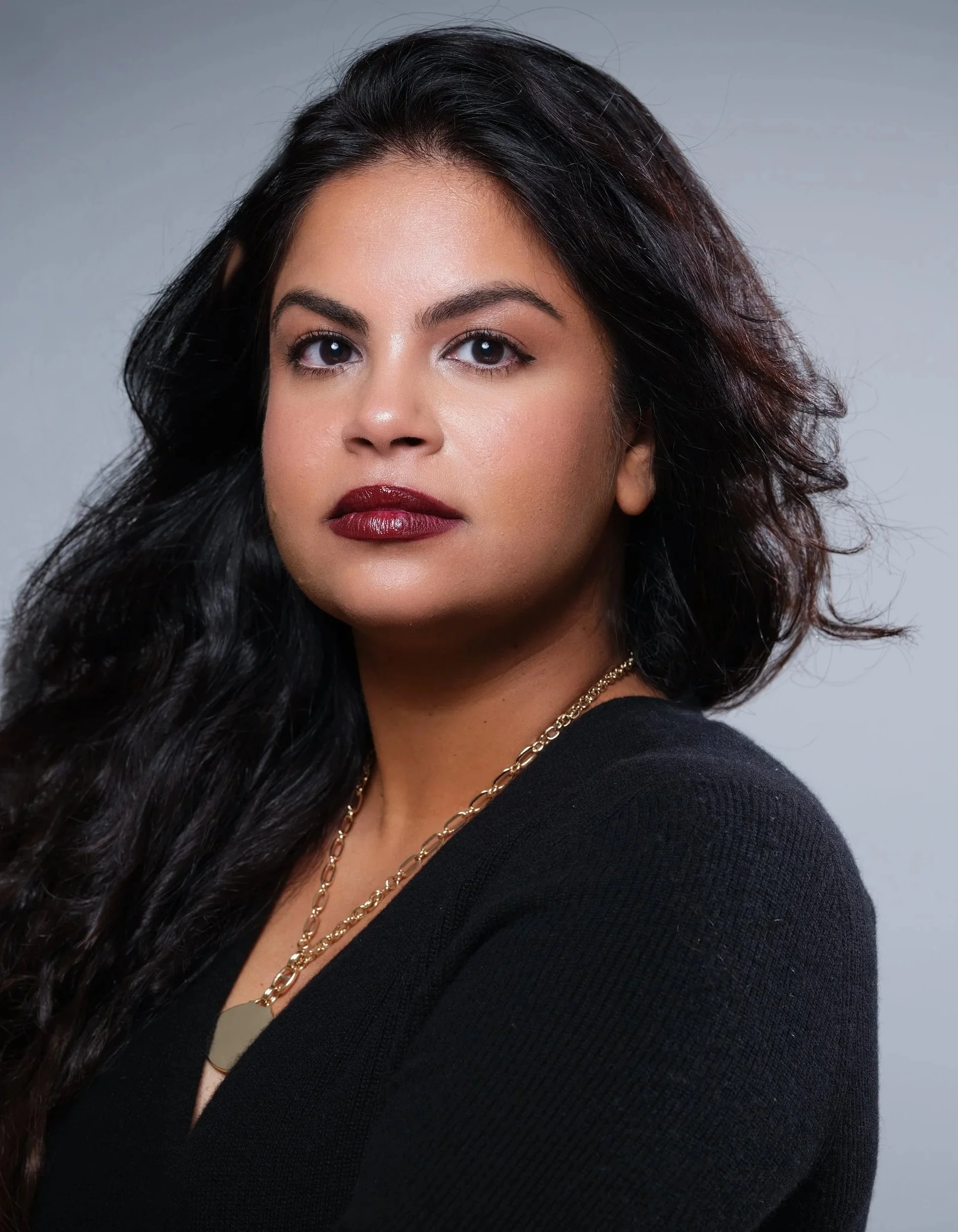
Lakshmi Krishnan
Where Medicine, Culture, and Curiosity Meet.
Lakshmi Krishnan
Where Medicine, Culture, and Curiosity Meet.
Lakshmi’s mission is to bridge disciplines and spark new ways of thinking—translating academic insight into public understanding through writing, research, and thought leadership.
As a practicing physician and humanities scholar, she writes about how medicine and culture shape each other—how art, history, and literature inform the way we understand health and illness, and how doctors think, what they believe they know, and what those stories mean for the rest of us. Whether publishing in academic journals, teaching, or speaking on major platforms, she brings live and urgent questions in medicine to a wider audience and helps readers and listeners make sense of the complex narratives that shape health and care today.
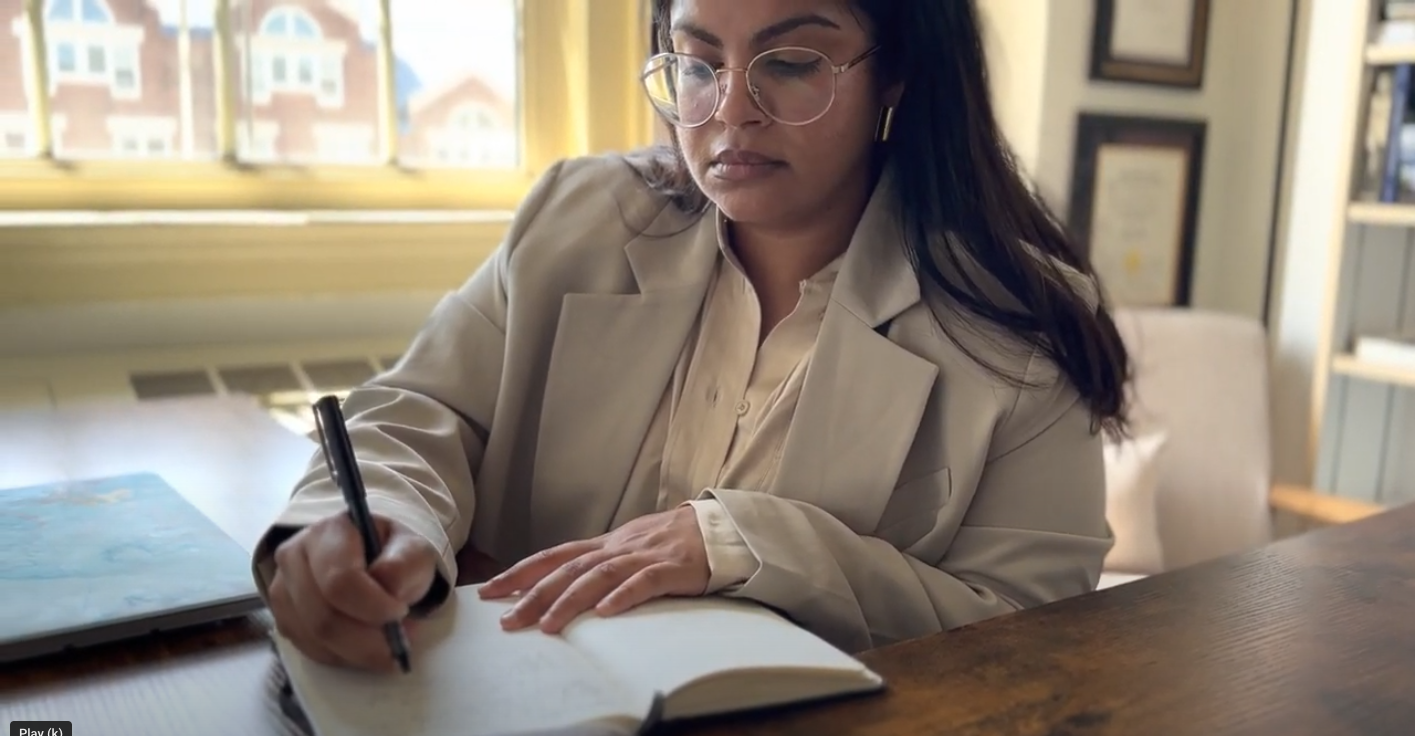
At the heart of Lakshmi’s work is the question: how does medicine know? She writes about medicine as an act of reading — of bodies, symptoms, and the stories we tell about health and illness — revealing a practice that is not only clinical and scientific, but deeply human.
Research Highlights

The New Clinician-Scholars—Dual Training in Medicine and Humanities Drives Health Research Innovation
JAMA, 2025.


Taking Pandemic Sequelae Seriously: From the Russian Influenza to COVID-19 Long-Haulers
The Lancet, 2020.

Historical Insights on COVID-19, 1918 Influenza, and Racial Disparities: Illuminating a Path Forward
Annals of Internal Medicine, 2020.
Media Highlights



A Tale of Two Pandemics: A Nonfiction Comic about Historical Racial Health Disparities
The Journalist’s Resource, Harvard Kennedy School's Shorenstein Center and the Carnegie-Knight Initiative, 2020.

THE WORKUP
— with —
Dr. Lakshmi
Krishnan
Join Lakshmi's newsletter for cultural criticism that connects medicine to the wider world – from how AI is transforming diagnosis to what Frankenstein reveals about scientific knowledge, from the art of observation in The Residence to the historical factors driving health disparities.